When my husband David and I moved into our first home in an old Toronto neighbourhood, we were on cloud nine. A hundred-year-old Victorian house with high ceilings, original hardwood floors, and real architectural character — what more could a young family dream of?
The problems began with the first true Canadian frosts in November.
David works remotely — he writes software for a fintech startup, and his makeshift “home office” ended up being in the farthest corner room on the ground floor, right above the old brick foundation. Meanwhile, I spend my days bustling between the kitchen and the living room, looking after our one-year-old daughter.
By December, our house had turned into a complete climate absurdity. David sat at his desk wearing a puffer jacket and a wool beanie, typing with half-frozen fingers on his keyboard. At the exact same time, the kitchen where lunch was cooking felt stiflingly hot.

“Just Turn the Heat Up Higher”
Every time I popped into his office with a mug of hot coffee, David would shiver from the cold and grumble:
“Honey, the central furnace isn’t keeping up at all. Let’s crank the hallway thermostat all the way up.”
We followed his advice. We raised the central thermostat to 24°C (75°F) and waited. The result? In the kitchen and upstairs bedroom, it became impossible to breathe — the air turned into a bone-dry desert that dried out our baby’s nose, while icy drafts still crept out from under the baseboards in David’s corner office.
And then, in early February, the “surprise” arrived that nearly made David drop his coffee mug.
Waiting for us in the mailbox was an envelope from our utility provider. Our combined electricity and gas bill for the previous month came to $614.20.

Over six hundred dollars for a single month! We were paying nearly double our yearly average just trying to heat the massive walls of a century-old house from top to bottom — even though 80% of the time we were only occupying two rooms.
The Chat With Our Neighbor That Saved Our Wallet
That same evening, frustrated and stressed, David stepped out onto the front porch to shovel snow and ended up talking with our neighbor, Mr. MacDonald — a silver-haired retired engineer who has lived on our street for forty years.
David vented to him about the outrageous utility bills and his freezing home office. The old man just chuckled, tapped the ash from his pipe, and said:
“Son, you’re trying to heat the outdoor air through century-old brick walls. Heating an entire house just for one room is like trying to heat the whole street. Modern engineers came up with the concept of ‘Zone Heating’. Why burn gas and electricity in rooms where nobody is sitting? What you need is a targeted ceramic panel right under your feet — not a roaring furnace in the basement.”
Mr. MacDonald recommended a compact device that he and his wife used in their own workshop: the Heatoor Portable Heater.
CHECK HEATOOR SEASONAL DISCOUNT & CANADIAN STOCK →What Changed the Day We Plugged It In
We decided to give it a try and ordered one unit to test (though we quickly regretted not ordering the two-pack right away, because David and I ended up constantly arguing over whose turn it was to use it).
When the package arrived, David looked skeptically at the box:
“Babe, is this toaster-sized little box seriously going to replace a heavy-duty space heater?”
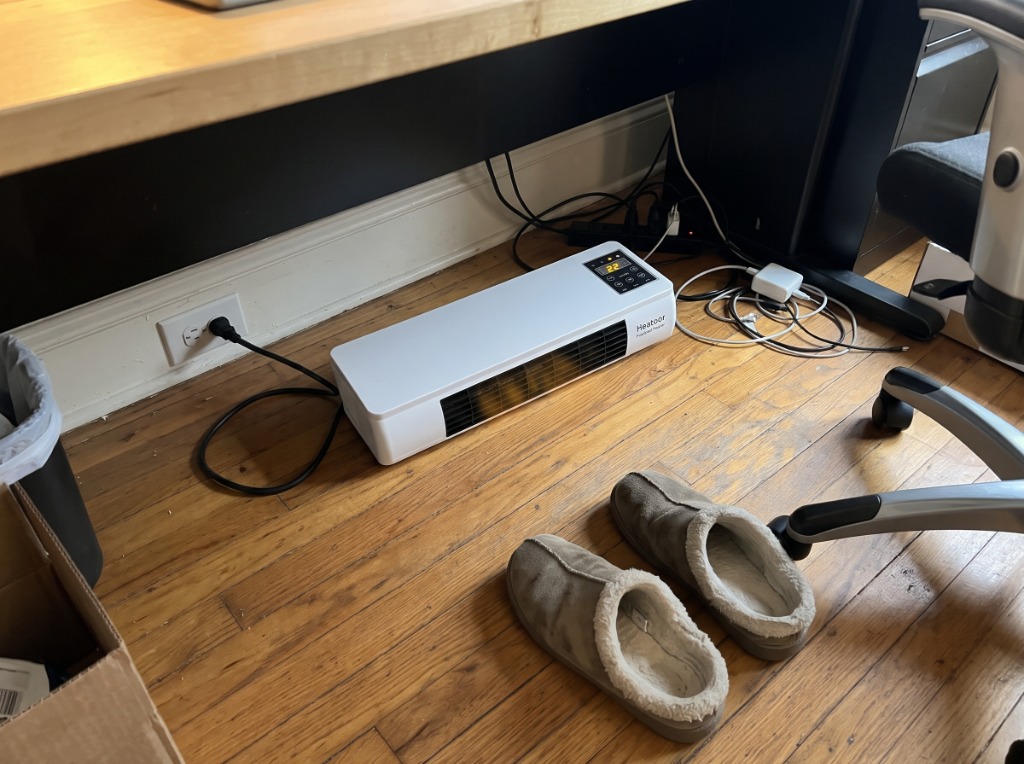
But the moment he plugged it into the outlet under his desk, his skepticism vanished in under a minute:
Directed Warmth Without Bone-Dry Air
Thanks to its advanced PTC ceramic heating element, the warmth started flowing immediately. There is no red-hot exposed wire coil burning oxygen or scorching dust — just a gentle, cozy stream of warm air that wrapped around his feet and entire workspace.
Whisper-Quiet Operation That Never Disrupts Calls
David spends all day on Zoom calls with colleagues. Cheap hardware-store fan heaters roar like a jet engine. Heatoor runs so quietly that his microphone picks up zero background noise.
Complete Peace of Mind Around Our Toddler
Once our daughter started crawling and exploring every corner, it became critical for us that any heater shut off immediately if bumped. Heatoor has a built-in tip-over sensor and automatic overheat protection — if you knock it with your hand, it powers down instantly.
The Result That Showed Up in Our Banking App
At the end of the following month, when the new utility bill arrived, David and I looked at each other and smiled. Our bill had dropped by nearly $180 compared to the previous month — while David’s office stayed genuinely warm and comfortable, and we stopped wasting money heating empty rooms.
Now our daily routine is simple: during the day, Heatoor sits under my husband’s desk in his home office, and in the evening we carry it into the living room or place it near the nursery.
If you’re also tired of paying astronomical bills for central heating in an older home — or freezing while working remotely in a drafty corner room — don’t repeat our mistakes. Targeted zone heating is the smartest way to survive a Canadian winter in comfort with your sanity (and savings) intact.
Right now, the official distributor is offering a special seasonal discount on the Heatoor Portable Heater with fast shipping across Canada.
CHECK SEASONAL DISCOUNT →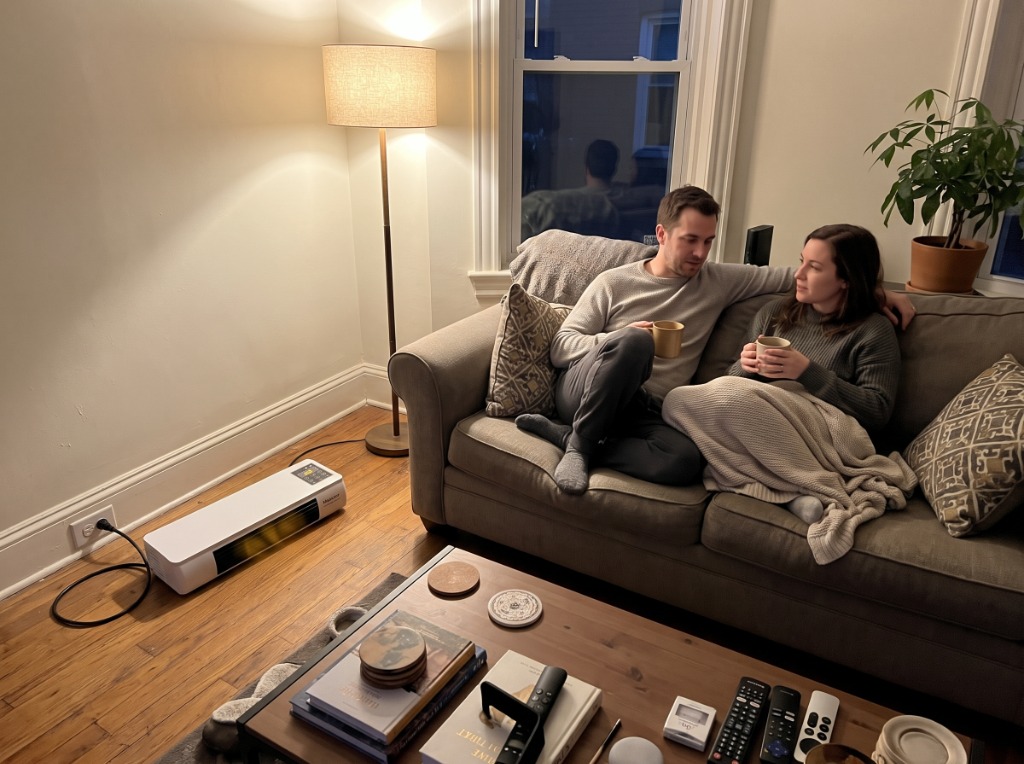
 HEATOOR™ PTC CERAMIC
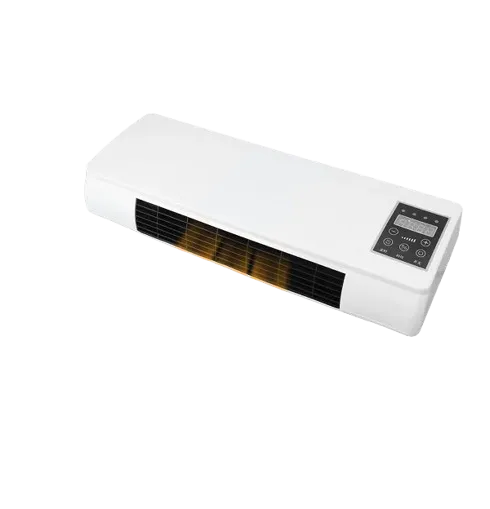
Heatoor Portable Heater
Compact architectural PTC ceramic zone heater designed for drafty rooms, home offices, and older Canadian homes.